Peptide Therapy Encyclopedia: Complete Guide to 102+ Peptides
Evidence-based education on the most commonly prescribed peptide protocols. Learn how each peptide works, who it's best for, and what to discuss with your provider. This is for educational purposes only. Always consult a licensed healthcare provider.
Category
Evidence Level
FDA Status

5-Amino-1MQ
5-Amino-1MQ is a small molecule that inhibits nicotinamide N-methyltransferase (NNMT), an enzyme involved in fat cell metabolism. By blocking NNMT, it may increase NAD+ levels in fat cells and shift metabolism toward fat burning. It is under investigation for obesity and metabolic disorders.

Adamax
Adamax is a modified synthetic nootropic peptide related to the racetam family. It is studied for its potential cognitive enhancement effects, including improved memory formation, learning capacity, and neuroprotection.
Adipotide
Adipotide (FTPP) is a peptidomimetic that targets blood vessels feeding white adipose tissue, causing programmed cell death in fat cells. In primate studies, it produced rapid weight loss by cutting off blood supply to fat deposits. It remains experimental.

AHK-Cu
AHK-Cu is a copper-binding tripeptide (Ala-His-Lys) with a copper ion that stimulates collagen synthesis, promotes wound healing, and has antioxidant properties. It shares mechanisms with GHK-Cu but has a distinct amino acid sequence with complementary skin-rejuvenating effects.
Aicar
AICAR (5-Aminoimidazole-4-carboxamide ribonucleotide) is an AMP-activated protein kinase (AMPK) activator that mimics the metabolic effects of exercise. It has been studied for its ability to increase fatty acid oxidation, improve insulin sensitivity, and enhance endurance without physical activity.
AOD-9604
AOD-9604 is a lipolytic 16-amino acid peptide fragment of human growth hormone, consisting of HGH residues 176-191. Initial human trials showed it retains the lipolytic properties of growth hormone without stimulating IGF-1 production. Its development was terminated in 2007 after later studies failed to demonstrate sufficient lipolytic effect.

Ara-290
ARA-290 (cibinetide) is an 11-amino acid peptide derived from erythropoietin (EPO) that targets the innate repair receptor without hematopoietic side effects. It has been studied for neuropathy, tissue repair, and chronic inflammatory conditions in multiple human clinical trials.
Argireline (acetyl Hexapeptide-3)
Argireline (acetyl hexapeptide-8) is a synthetic hexapeptide used as a topical cosmetic ingredient that may improve the appearance of wrinkles. It is a small peptide fragment of SNAP25, a protein involved in neurotransmitter release and one of the targets of botulinum toxin type A (Botox).
BPC-157
BPC-157 (Body Protection Compound-157) is a synthetic fifteen amino acid oligopeptide derived from a protein found in human gastric juice. It has been studied primarily in laboratory animals for tissue repair, gut healing, and anti-inflammatory effects. BPC-157 is not approved by any drug regulatory agency for human use.
Bpc-157 + Tb-500
BPC-157 + TB-500 is a combination stack of Body Protection Compound-157 and Thymosin Beta-4, used together for their complementary tissue repair mechanisms. BPC-157 promotes angiogenesis while TB-500 enhances cell migration and repair. Both were removed from FDA compounding in 2024.
Bronchogen
Bronchogen (Ala-Glu-Asp) is a short bioregulatory peptide targeting bronchial and lung tissue. Part of the Khavinson bioregulator peptide series, it is studied for its potential to normalize respiratory tract function and support lung health.
Cagrilintide
Cagrilintide is a long-acting analogue of amylin being tested for obesity and type 2 diabetes treatment, both alone and in combination with semaglutide (CagriSema) for enhanced weight loss efficacy.
Cagrilintide + Semaglutide
CagriSema is a combination of cagrilintide (amylin analog) and semaglutide (GLP-1 agonist) being developed by Novo Nordisk. The dual mechanism targets both amylin and GLP-1 pathways for potentially greater weight loss than either agent alone.
Cardiogen
Cardiogen (Ala-Glu-Asp-Arg) is a short bioregulatory peptide targeting cardiac tissue. It is studied for its potential to normalize myocardial function, support cardiovascular health, and promote heart tissue repair.

Cartalax
Cartalax (Ala-Glu-Asp) is a short bioregulatory peptide targeting cartilage and bone tissue. It is studied for its potential to normalize musculoskeletal function and support joint health and cartilage repair.
Cerebrolysin
Cerebrolysin is a mixture of enzymatically-treated peptides derived from pig brain containing brain-derived neurotrophic factor (BDNF), glial cell line-derived neurotrophic factor (GDNF), nerve growth factor (NGF), and ciliary neurotrophic factor (CNTF). It is used as a therapy for brain diseases in dozens of countries across Eurasia.
Chonluten
Chonluten (Glu-Asp-Gly) is a short bioregulatory peptide targeting the respiratory mucosa and lungs. It is studied for its potential to normalize bronchial mucosal function and may have applications in respiratory health.
CJC-1295
CJC-1295 is a synthetic analogue of growth hormone-releasing hormone (GHRH) and a growth hormone secretagogue developed by ConjuChem Biotechnologies. It is a modified form of GHRH (1-29) with improved pharmacokinetics, especially in regard to half-life.
Cortagen
Cortagen is a short bioregulatory peptide that targets the cerebral cortex. Developed as part of the Khavinson bioregulator peptide series, it is studied for its potential to normalize brain cortex function, improve cognitive performance, and support neurological health.
Decapeptide-12
Decapeptide-12 is a skin-lightening peptide that inhibits melanin synthesis by modulating tyrosinase activity. It is used in cosmetic formulations for hyperpigmentation, dark spots, and uneven skin tone treatment.

Dermorphin
Dermorphin is a heptapeptide first isolated from the skin of South American frogs. It is a potent mu-opioid receptor agonist with approximately 30-40 times the analgesic potency of morphine. It is unique as one of the few naturally occurring D-amino acid-containing peptides.
Dihexa
Dihexa (N-hexanoic-Tyr-Ile-(6) aminohexanoic amide) is an oligopeptide drug derived from angiotensin IV that has been found to be a potent cognitive enhancer in animal models. It acts as a hepatocyte growth factor (HGF) receptor agonist and has shown the ability to cross the blood-brain barrier.

Ds5
DS5 is an investigational peptide being studied for its potential therapeutic applications. Research is ongoing to characterize its mechanism of action and clinical utility.

DSIP
Delta-sleep-inducing peptide (DSIP) is a neuropeptide that, when infused into the mesodiencephalic ventricle of recipient rabbits, induces spindle and delta EEG activity and lowers motor activity. It has been studied for sleep regulation, stress response modulation, and pain threshold effects.
Dulaglutide
Dulaglutide, sold as Trulicity, is a once-weekly GLP-1 receptor agonist for type 2 diabetes treatment. It is also approved for reducing major adverse cardiovascular events in adults with type 2 diabetes and established cardiovascular disease or risk factors.
Eloralintide
Eloralintide is an investigational dual amylin and calcitonin receptor agonist being studied for weight management. It works by reducing appetite and slowing gastric emptying through amylin-pathway mechanisms that complement GLP-1-based therapies.
Enclomiphene
Enclomifene is a nonsteroidal selective estrogen receptor modulator (SERM) of the triphenylethylene group. It acts by antagonizing estrogen receptors in the pituitary gland, reducing negative feedback on the HPG axis, thereby increasing gonadotropin secretion and testosterone production. It is one of the two stereoisomers of clomifene.
Epithalon
Epitalon (Epithalon) is a synthetic tetrapeptide and telomerase activator identified as the putative active component of a bovine pineal gland extract known as epithalamin. It has been studied for potential anti-aging effects through telomere elongation.
Follistatin
Follistatin is an autocrine glycoprotein encoded by the FST gene and expressed in nearly all tissues of higher animals. It functions as an activin-binding protein that inhibits FSH biosynthesis and secretion, and has been studied for its role in muscle growth and myostatin inhibition.
Follistatin 315
Follistatin 315 is a specific isoform of follistatin that is membrane-bound and acts primarily in a localized, autocrine/paracrine manner. It inhibits myostatin and activin locally in muscle tissue, making it of interest for targeted muscle growth applications.
Follistatin 344
Follistatin 344 is the longest and most bioactive isoform of follistatin. Unlike FS-315, it circulates freely in the bloodstream and has systemic myostatin-inhibiting effects, making it the most studied isoform for muscle growth and body composition applications.
Foxo4-Dri
FOXO4-DRI is a cell-penetrating peptide designed to selectively induce apoptosis in senescent cells (senolytic therapy). It works by disrupting the interaction between FOXO4 and p53, causing senescent cells to undergo programmed cell death while leaving healthy cells unaffected.
Ghk
GHK (glycyl-L-histidyl-L-lysine) is a naturally occurring tripeptide found in human plasma, saliva, and urine. It has been extensively studied for its roles in wound healing, tissue remodeling, collagen synthesis, and anti-inflammatory activity. Levels decline significantly with age.
GHK-Cu
GHK-Cu (copper peptide) is a naturally occurring copper complex of the tripeptide glycyl-L-histidyl-L-lysine, first isolated from human plasma. It has been studied for its roles in wound healing, tissue remodeling, skin regeneration, and anti-inflammatory activity.
GHRP-2
GHRP-2 (Growth Hormone Releasing Peptide-2) is a synthetic hexapeptide growth hormone secretagogue that stimulates GH release via the ghrelin receptor. It is one of the most potent GH secretagogues studied, with effects on appetite stimulation and body composition.
GHRP-6
GHRP-6 (Growth Hormone Releasing Peptide-6) is a synthetic hexapeptide that acts on the ghrelin receptor to stimulate growth hormone release from the pituitary. It also significantly increases appetite and has been studied for its effects on body composition and metabolism.
Glutathione
Glutathione is a tripeptide (gamma-glutamylcysteinylglycine) that is the most abundant intracellular antioxidant in human cells. It plays critical roles in protecting cells from oxidative stress, detoxification, immune function, and maintaining other antioxidants like vitamins C and E in their active forms.
Gonadorelin
Gonadorelin is a synthetic form of gonadotropin-releasing hormone (GnRH) used diagnostically to evaluate pituitary function and therapeutically to stimulate the release of luteinizing hormone (LH) and follicle-stimulating hormone (FSH). It is used in fertility treatment and hormone optimization protocols.
Hexarelin
Hexarelin (Examorelin) is a potent, synthetic, peptidic, orally-active, centrally-penetrant, and highly selective agonist of the ghrelin/growth hormone secretagogue receptor (GHSR). It is a hexapeptide derived from GHRP-6 developed by Mediolanum Farmaceutici.
HGH Fragment 176-191
HGH Fragment 176-191 is a modified form of amino acids 176-191 of the human growth hormone polypeptide. It is specifically studied for its lipolytic (fat-burning) properties without the growth-promoting effects of full-length HGH, making it of interest for targeted fat loss.
Humanin
Humanin is a mitochondrial-derived peptide encoded by the 16S rRNA gene. It has cytoprotective properties against various cellular stresses and has been studied for neuroprotection, metabolic regulation, and anti-aging effects. It is one of the first mitochondrial-derived peptides discovered.
Igf-1 Des
IGF-1 DES is a truncated form of IGF-1 that lacks the first three amino acids of the N-terminus. This modification makes it approximately 10 times more potent than standard IGF-1 because it does not bind to IGF binding proteins, making more of it bioavailable for receptor activation.
IGF-1 LR3
IGF-1 LR3 is a modified form of insulin-like growth factor 1 with an extended half-life and increased bioavailability. The LR3 modification makes it three times more potent than standard IGF-1, with effects on muscle growth, recovery, and cell proliferation.
Ipamorelin
Ipamorelin is a selective agonist of the ghrelin/growth hormone secretagogue receptor (GHS) and a growth hormone secretagogue. It is a pentapeptide derived from GHRP-1 that selectively stimulates growth hormone release without significantly affecting cortisol, prolactin, or ACTH levels.
Kisspeptin-10
Kisspeptin is a protein encoded by the KISS1 gene that plays a critical role in initiating GnRH secretion at puberty. Kisspeptin-GPR54 signaling triggers the release of gonadotropin-releasing hormone from the hypothalamus, stimulating LH and FSH release for reproductive hormone regulation.
KPV
KPV is a naturally occurring tripeptide (Lys-Pro-Val) derived from alpha-melanocyte-stimulating hormone (alpha-MSH). It has potent anti-inflammatory properties and has been studied for inflammatory bowel disease, skin inflammation, and immune modulation without the melanogenic effects of full-length alpha-MSH.

Liraglutide
Liraglutide, sold under the brand names Victoza and Saxenda, is a GLP-1 receptor agonist used to treat type 2 diabetes and chronic obesity. It is given by subcutaneous injection and was one of the first GLP-1 agonists approved for weight management.
Livagen
Livagen (Lys-Glu-Asp-Ala) is a short bioregulatory peptide targeting hepatic (liver) tissue. It is studied for its potential to normalize liver function, support detoxification processes, and promote hepatocyte health.
LL-37
LL-37 (cathelicidin) is a 37-amino acid antimicrobial peptide encoded by the CAMP gene in humans. It is the active form of the precursor CAP-18, processed by proteinase 3-mediated cleavage. It plays key roles in innate immune defense against bacterial, viral, and fungal infections.
Matrixyl
Matrixyl (palmitoyl pentapeptide-4) is a cosmetic peptide that stimulates collagen synthesis and skin repair. It signals the skin to produce more collagen and fibronectin, reducing the appearance of fine lines and wrinkles. It is one of the most clinically studied anti-aging cosmetic peptides.
Mazdutide
Mazdutide is a dual GLP-1/glucagon receptor agonist developed by Innovent Biologics for the treatment of obesity and type 2 diabetes. It combines GLP-1-mediated appetite suppression with glucagon-mediated energy expenditure increases.
Melanotan I
Melanotan I (afamelanotide) is a synthetic analog of alpha-melanocyte-stimulating hormone developed for skin tanning. It is available as a prescription drug (Scenesse) for certain light-related skin conditions and studied as a preventative agent for skin cancer in patients with photosensitivity disorders.
Melanotan Ii
Melanotan II is a synthetic analogue of the peptide hormone alpha-melanocyte-stimulating hormone (alpha-MSH) that stimulates melanogenesis to facilitate tanning. It has also been studied for its effects on sexual arousal and appetite suppression.
MGF (Mechano Growth Factor)
Mechano Growth Factor (MGF) is a splice variant of IGF-1 that is expressed in response to mechanical overload of muscle tissue. It plays a role in muscle repair and hypertrophy by activating satellite cells, the muscle stem cells responsible for post-exercise muscle growth and repair.
Mk-677 (ibutamoren)
Ibutamoren (MK-677) is a potent, long-acting, orally-active, selective, and non-peptide agonist of the ghrelin receptor and a growth hormone secretagogue. It has been shown to increase secretion of GH and insulin-like growth factor 1 (IGF-1) and produces sustained increases in plasma levels of these hormones.
MOTS-c
MOTS-c is a mitochondrial-derived peptide encoded by the 12S rRNA gene. It has been shown to regulate metabolic homeostasis, improve insulin sensitivity, and enhance exercise performance. It acts as an exercise mimetic by activating AMPK signaling pathways.
Nad+
Nicotinamide adenine dinucleotide (NAD+) is a coenzyme central to metabolism found in all living cells. It plays a key role in cellular energy production, DNA repair, gene expression, and cell signaling. NAD+ levels decline with age, and supplementation is studied for anti-aging and metabolic health benefits.
Nonapeptide-1
Nonapeptide-1 is a biomimetic peptide that reduces melanin synthesis by antagonizing alpha-MSH at the MC1 receptor level. It is used in cosmetic formulations as a skin-brightening and tone-evening agent.
Orforglipron
Orforglipron is an experimental oral non-peptide GLP-1 receptor agonist developed by Eli Lilly. Unlike injectable semaglutide and tirzepatide, it is a small molecule taken daily by mouth, potentially offering a more convenient weight loss and diabetes treatment option.
Ovagen
Ovagen (Glu-Asp-Leu) is a short bioregulatory peptide targeting gastrointestinal and hepatic tissue. It is studied for its potential to normalize digestive function, support liver health, and maintain GI tract integrity.
Oxytocin
Oxytocin is a peptide hormone and neuropeptide produced in the hypothalamus and released by the posterior pituitary. It plays a role in social bonding, reproduction, childbirth, and lactation. It is used clinically to induce labor and control postpartum bleeding.
P21
P21 is a synthetic peptide derivative of ciliary neurotrophic factor (CNTF) that promotes neurogenesis and cognitive enhancement. It has been studied for its ability to increase brain-derived neurotrophic factor (BDNF) levels and stimulate new neuron formation in the hippocampus.
Pal-Ahk
Palmitoyl-AHK is a lipophilic derivative of the AHK tripeptide enhanced with a palmitoyl chain for improved skin penetration. It stimulates collagen production and extracellular matrix remodeling for anti-aging cosmetic applications.
Pal-Ghk
Palmitoyl-GHK is a lipophilic derivative of the GHK tripeptide with an attached palmitoyl chain that enhances skin absorption. It promotes collagen synthesis, tissue remodeling, and wound healing in topical cosmetic formulations.
Palmitoyl Dipeptide-6
Palmitoyl dipeptide-6 is a lipopeptide that enhances the skin's natural defense mechanisms and stimulates collagen production. It works synergistically with other peptides to improve skin barrier function and reduce signs of aging.
Pancragen
Pancragen (Lys-Glu-Asp-Trp) is a short bioregulatory peptide targeting pancreatic tissue. It is studied for its potential to normalize pancreatic function, support insulin regulation, and maintain metabolic homeostasis.
Pe-22-28
PE-22-28 is a synthetic peptide derived from the phosphodiesterase-4 (PDE4) inhibitor family that has been studied for nootropic and neuroprotective effects. It modulates cAMP signaling in the brain to potentially enhance memory consolidation and cognitive function.
Peg-Mgf
PEG-MGF (PEGylated Mechano Growth Factor) is a modified form of MGF with an attached polyethylene glycol chain that extends its half-life from minutes to hours. This modification allows for systemic administration and sustained muscle repair signaling.
Pentapeptide-18
Pentapeptide-18 (Leuphasyl) is a cosmetic peptide that inhibits neuronal activity by acting as an enkephalin mimetic. It reduces muscle contraction intensity, helping to smooth expression lines similar to but through a different mechanism than Argireline.
Pgpipn
PGPIPN is a hexapeptide derived from prolactin that has demonstrated neuroprotective properties. It protects against oxidative stress-induced neuronal damage and is studied for its potential in neurodegenerative disease prevention and cognitive preservation.
Pinealon
Pinealon (Glu-Asp-Arg) is a short bioregulatory peptide targeting pineal gland and brain tissue. It is studied for potential effects on circadian rhythm regulation, melatonin production, and neuroprotection.
Pnc-27
PNC-27 is a synthetic peptide consisting of an HDM-2-binding domain attached to a membrane-active penetratin sequence. It has been studied for its ability to selectively target and destroy cancer cells by binding to HDM-2 overexpressed on tumor cell membranes, causing membrane lysis.
Prostamax
Prostamax (Lys-Glu-Asp-Pro) is a short bioregulatory peptide targeting prostate tissue. It is studied for its potential to normalize prostate function and support urological health in aging men.
PT-141
Bremelanotide (PT-141), sold under the brand name Vyleesi, is a medication used to treat hypoactive sexual desire disorder (HSDD) in premenopausal women. It is a melanocortin receptor agonist given by subcutaneous injection.
Retatrutide
Retatrutide (LY-3437943) is an experimental triple glucagon hormone receptor agonist (GIP/GLP-1/glucagon) developed by Eli Lilly for obesity treatment. It represents a novel approach targeting three metabolic pathways simultaneously for enhanced weight loss efficacy.
Rigin
Rigin (Lys-Thr-Thr-Lys) is a tetrapeptide immunomodulator that has been studied for its effects on immune system activation, T-cell maturation, and anti-inflammatory activity. In cosmetics, it is used for its skin-calming and anti-aging properties.
Selank
Selank is a nootropic anxiolytic peptide drug developed by the Institute of Molecular Genetics of the Russian Academy of Sciences. It is a synthetic analogue of human tuftsin that modulates brain activity and the immune system, potentially regulating serotonin and dopamine for cognitive stability and emotional balance.
Semaglutide
Semaglutide is an anti-diabetic medication used for the treatment of type 2 diabetes, and an anti-obesity medication used for long-term weight management and to reduce the risk of major adverse cardiovascular events. It is a peptide similar to the hormone glucagon-like peptide-1 (GLP-1), modified with a side chain. It can be administered by subcutaneous injection or taken orally. Sold under the brand names Ozempic, Rybelsus, and Wegovy.
Semax
Semax is a synthetic heptapeptide nootropic developed by the Institute of Molecular Genetics of the Russian Academy of Sciences. It is used in Eastern Europe for brain trauma treatment and for its claimed neuroprotective, nootropic, and neurorestorative effects.
Sermorelin
Sermorelin acetate is a peptide analogue of growth hormone-releasing hormone (GHRH) used as a diagnostic agent to assess growth hormone secretion. It is a 29-amino acid polypeptide representing the 1-29 fragment from endogenous human GHRH, thought to be the shortest fully functional fragment of GHRH.
Slu-Pp-332
SLU-PP-332 is a synthetic ERR-alpha/gamma agonist that acts as an exercise mimetic. It has demonstrated the ability to activate metabolic pathways normally triggered by physical exercise, including increased mitochondrial biogenesis, fat oxidation, and muscle fiber adaptation.
SNAP-8
SNAP-8 (acetyl octapeptide-3) is an anti-wrinkle peptide that works by modulating SNARE complex formation, reducing the release of neurotransmitters at the neuromuscular junction. It acts similarly to Botox but through topical application, reducing expression line depth.
Somatropin (hgh)
Somatropin is a biosynthetic form of human growth hormone (HGH) used to treat growth disorders in children and growth hormone deficiency in adults. It stimulates growth, cell reproduction, and regeneration. It is one of the most widely prescribed hormones worldwide.
Ss-31 (elamipretide)
Elamipretide (SS-31), sold as Forzinity, is a mitochondrial cardiolipin binder approved for Barth syndrome treatment. It targets mitochondrial dysfunction by stabilizing the inner mitochondrial membrane and improving cellular energy production.
Survodutide
Survodutide is an experimental dual glucagon/GLP-1 receptor agonist developed by Boehringer Ingelheim as a weight loss drug. Unlike other dual agonists, it is a glucagon analog rather than an oxyntomodulin analog.
Syn-Ake
SYN-Ake is a synthetic tripeptide that mimics the effect of waglerin-1, a peptide found in temple viper venom. It acts as a muscle relaxant by antagonizing the nicotinic acetylcholine receptor, smoothing expression wrinkles in a mechanism similar to botulinum toxin.
Syn-Coll
SYN-COLL (palmitoyl tripeptide-5) is a synthetic peptide that mimics the body's own mechanism for producing collagen. It activates TGF-beta signaling to boost collagen I, III, and IV production, supporting skin firmness and elasticity.
TB-500
Thymosin beta-4 (TB-500) is a protein encoded by the TMSB4X gene in humans. It is a 43-amino acid peptide that has been studied for its role in tissue repair, wound healing, and anti-inflammatory activity. The recommended INN is timbetasin.
Tesamorelin
Tesamorelin is a synthetic form of growth-hormone-releasing hormone (GHRH) approved for the treatment of HIV-associated lipodystrophy. It is a synthetic peptide consisting of all 44 amino acids of human GHRH with the addition of a trans-3-hexenoic acid group.
Tesofensine
Tesofensine is a novel triple monoamine reuptake inhibitor (serotonin, norepinephrine, dopamine) originally developed for neurodegenerative diseases that demonstrated significant weight loss effects in clinical trials. It reduces appetite and increases metabolic rate through central nervous system mechanisms.
Testagen
Testagen (Lys-Glu-Asp-Gly) is a short bioregulatory peptide targeting testicular function. It is studied for its potential to normalize testosterone production and support male reproductive health through bioregulatory mechanisms.
Thymagen
Thymagen (Glu-Trp) is a synthetic dipeptide bioregulator targeting thymus function and immune modulation. It is studied for its potential to enhance T-cell production, restore immune balance, and support immunocompromised patients.
Thymalin
Thymalin is a polypeptide complex isolated from the thymus gland that has immunomodulatory properties. It is studied for its ability to restore T-cell function, normalize immune responses, and has been used in Eastern European clinical practice for immunodeficiency conditions.
Thymosin Alpha-1
Thymosin alpha-1 (thymalfasin) is a peptide naturally produced by the thymus gland that plays a critical role in immune system modulation. It enhances T-cell function, natural killer cell activity, and dendritic cell maturation. It is approved in several countries for hepatitis B and C treatment and as an immune adjuvant.
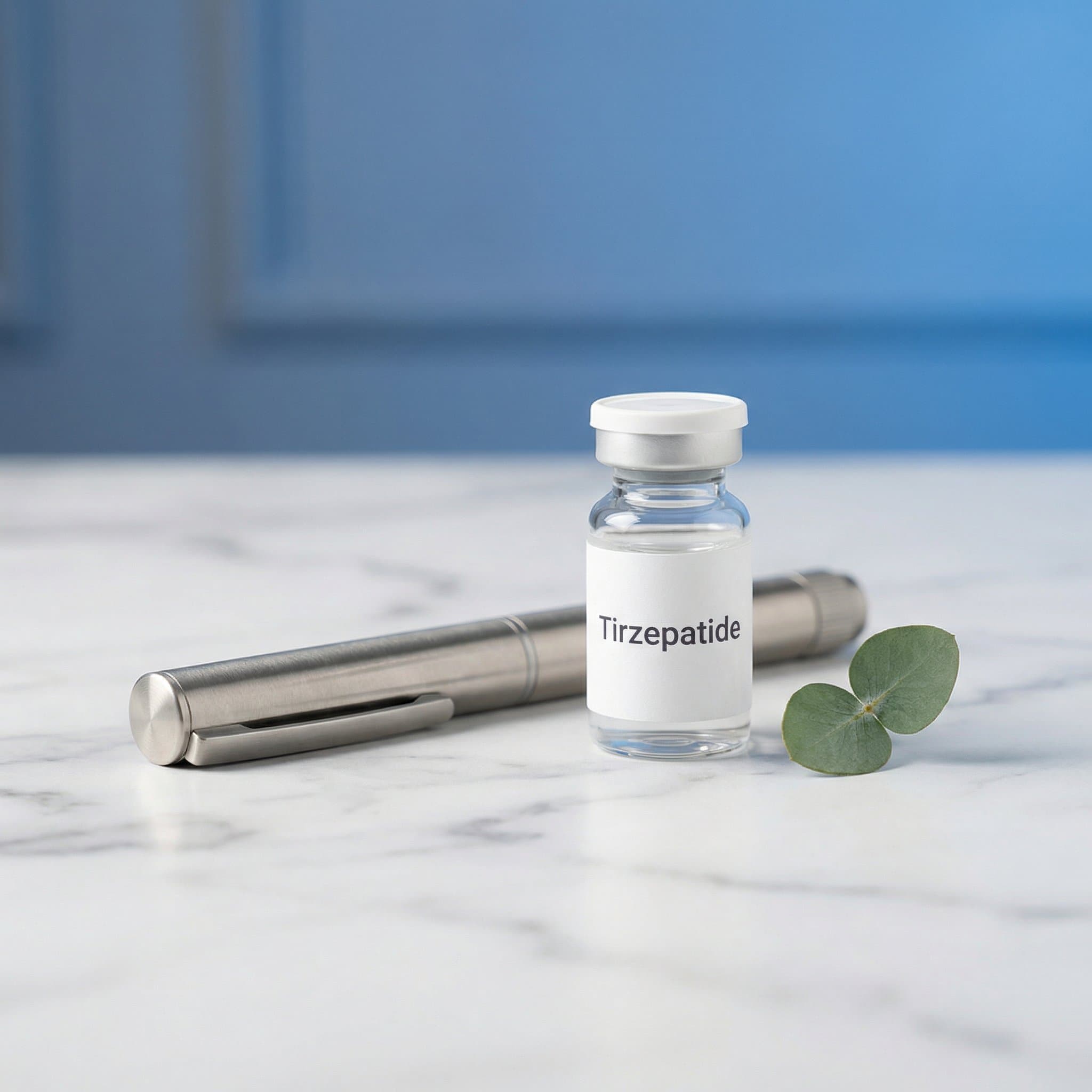
Tirzepatide
Tirzepatide is a dual GIP/GLP-1 receptor agonist used as an antidiabetic medication to treat type 2 diabetes and for weight loss. It is administered via subcutaneous injections and sold under the brand names Mounjaro for diabetes and Zepbound for weight loss and obstructive sleep apnea treatment.
Tripeptide-29
Tripeptide-29 is a collagen fragment peptide (Gly-Pro-Hyp) that signals fibroblasts to increase collagen production. It mimics the collagen synthesis signaling pathway and is used in anti-aging cosmetic formulations to improve skin texture and firmness.
Triptorelin
Triptorelin, sold as Decapeptyl, is a GnRH agonist analog that represses LH and FSH expression. It is on the WHO List of Essential Medicines and is used to treat prostate cancer, endometriosis, precocious puberty, and as part of transgender hormone therapy.
Vesilute
Vesilute (Lys-Glu-Asp) is a short bioregulatory peptide targeting immune system tissue. Part of the Khavinson series, it is studied for its potential to normalize immune function and support T-cell maturation.
Vesugen
Vesugen (Lys-Glu-Asp) is a short bioregulatory peptide targeting vascular tissue. It is studied for its potential to normalize blood vessel function, improve microcirculation, and support cardiovascular health.
Vialox
Vialox (pentapeptide-3) is a synthetic peptide that acts as a competitive antagonist of the acetylcholine receptor at the neuromuscular junction. It reduces muscle contraction and is used in cosmetics to smooth expression wrinkles.
Vilon
Vilon (Lys-Glu) is the shortest bioregulatory peptide (dipeptide) in the Khavinson series, targeting thymus and immune function. Despite its small size, it has demonstrated immunomodulatory activity in research, stimulating T-cell differentiation.
Vip
Vasoactive intestinal peptide (VIP) is a 28-amino acid peptide hormone belonging to the glucagon/secretin superfamily. Produced in the gut, pancreas, and brain, VIP stimulates cardiac contractility, causes vasodilation, increases glycogenolysis, lowers arterial blood pressure, and relaxes smooth muscle.
Ready to find out which peptide is right for you?
Take our 2-minute quiz to get matched with a provider specializing in your ideal peptide protocol.
Take the Quiz →