A GLP-1 diet plan can make or break results on semaglutide. The medication does heavy lifting for appetite suppression, but without the right foods on the plate, patients leave significant progress on the table, and risk uncomfortable side effects along the way.
Semaglutide, the active ingredient in Wegovy and Ozempic, delivered an average 14.9% body weight reduction in the landmark STEP 1 trial across 1,961 patients over 68 weeks. That's impressive. But those numbers came from participants who also followed structured nutrition guidance. The drug isn't a free pass to eat whatever fits into a smaller appetite.
Here's the reality: reduced calorie intake on a GLP-1 agonist means every bite counts more. The body still needs adequate protein to protect muscle, enough fiber to keep digestion moving, and sufficient micronutrients to avoid deficiencies that creep in when food volume drops dramatically.
This guide breaks down exactly what to eat on semaglutide, what to skip, and how to structure meals for the best possible outcomes, essential reading for anyone using peptides for weight loss, whether in their first month of titration or maintaining results long-term.
Why What You Eat on Semaglutide Matters More Than You Think
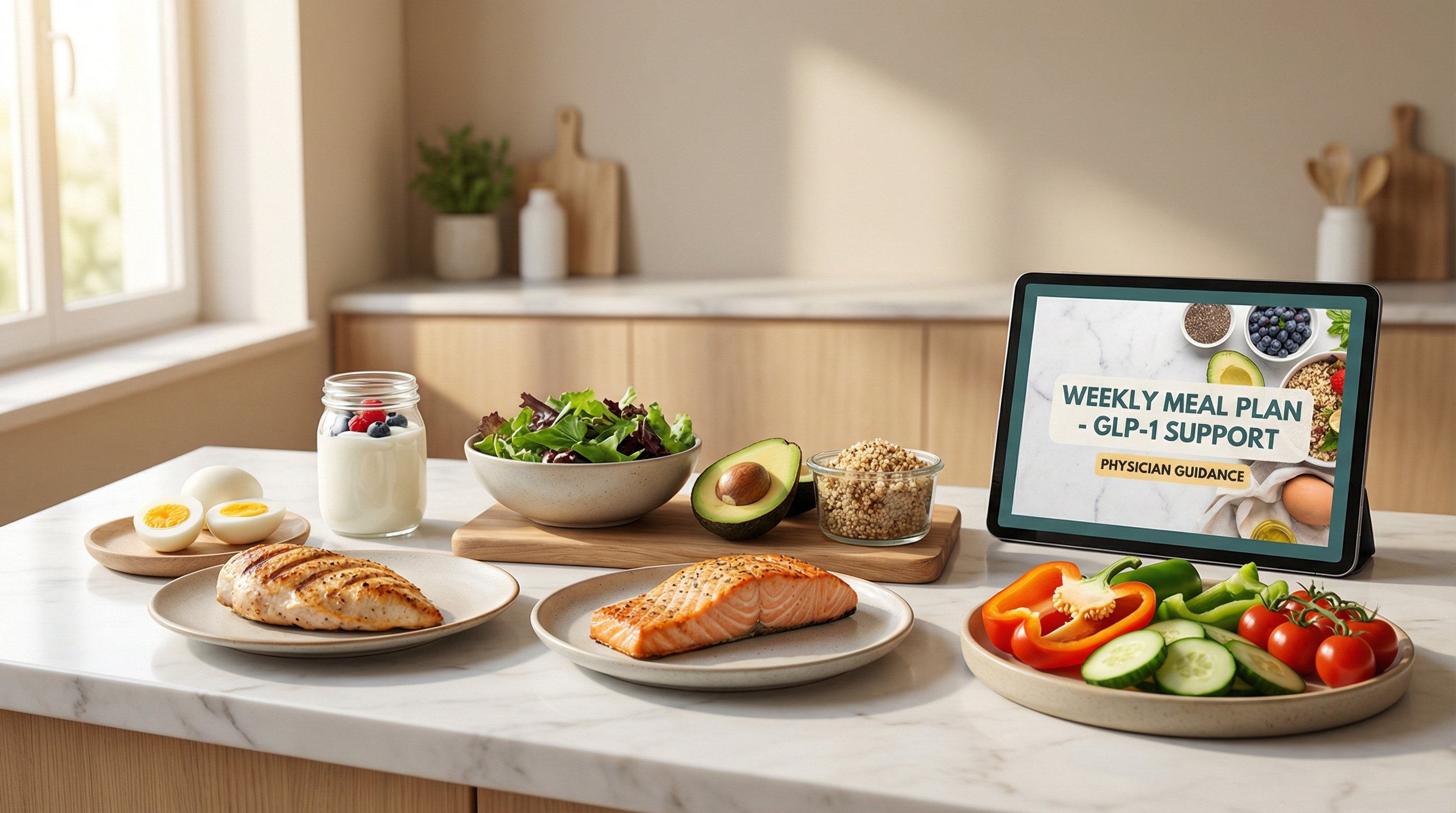
Semaglutide mimics the GLP-1 hormone, which triggers insulin release, slows gastric emptying, and signals satiety to the brain. That mechanism suppresses appetite effectively, sometimes too effectively. Many patients find their daily intake drops to 1,000–1,200 calories without even trying.
That's where food quality becomes critical. When someone eats significantly less, the margin for nutritional error shrinks. A 2,000-calorie diet with mediocre food choices still delivers reasonable micronutrient coverage. A 1,100-calorie diet with mediocre choices? That's a fast track to fatigue, hair thinning, and muscle wasting.
Protein is the biggest concern. Research published in Obesity found that up to 39% of weight lost on GLP-1 medications can come from lean muscle mass rather than fat. That's a problem. Muscle loss slows metabolism, weakens physical function, and makes weight regain more likely once the medication stops, and weight regain is common. The STEP 5 trial showed weight loss maintained at 104 weeks with continued treatment, but discontinuation typically leads to rebound. Some patients who plateau on semaglutide may also consider switching to tirzepatide, though the same dietary principles apply.
Food choices also directly affect GI tolerance. Semaglutide's most common side effects are gastrointestinal (see our full guide on peptide weight loss side effects): nausea hits roughly 44% of users, diarrhea about 30%, and constipation around 24%. The wrong foods amplify these symptoms. The right ones minimize them.
A well-designed GLP-1 diet plan isn't optional, it's the difference between losing fat effectively and losing muscle while feeling terrible. For patients exploring semaglutide therapy, platforms like Peptide Injections can connect them with board-certified physicians who provide personalized dietary guidance alongside their prescription protocol.
The Best Foods to Eat on a GLP-1 Diet Plan
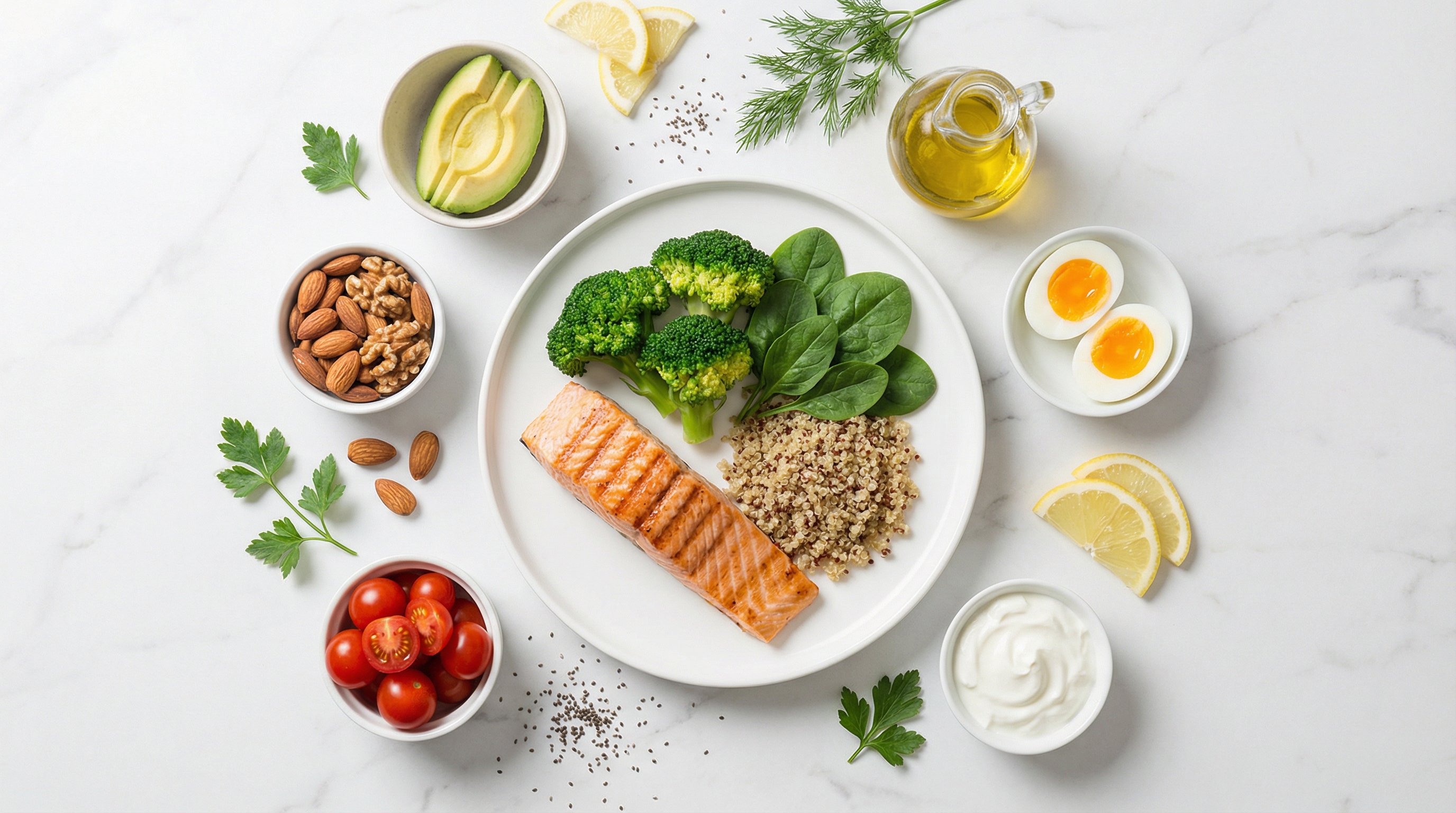
Building a semaglutide diet plan around nutrient-dense, low-glycemic foods produces the best outcomes. These categories should form the foundation of every meal.
Lean Protein Sources
Protein is non-negotiable on a GLP-1 diet plan. Aim for 25–30 grams per meal to protect lean mass and sustain satiety between meals.
Top choices include:
- Chicken breast and turkey, high protein-to-calorie ratio
- Wild-caught salmon and other fatty fish, added omega-3 benefits
- Eggs, affordable, versatile, and nutrient-complete
- Greek yogurt and cottage cheese, easy to digest, good for snacking
- Tofu, tempeh, and lentils, solid plant-based options
- Shrimp and white fish, extremely lean, gentle on the stomach
Fish deserves special attention. The SELECT trial (17,604 patients) demonstrated semaglutide's 20% reduction in major cardiac events. Pairing the drug with omega-3-rich fish amplifies cardiovascular protection.
Non-Starchy Vegetables
These deliver fiber, vitamins, and volume with minimal caloric impact:
- Spinach, kale, and arugula
- Broccoli, cauliflower, and Brussels sprouts
- Bell peppers, zucchini, and cucumber
- Mushrooms and asparagus
Cruciferous vegetables like broccoli also support liver detoxification, relevant since the liver processes semaglutide.
Whole Grains and Complex Carbohydrates
Brown rice, quinoa, oats, and barley provide sustained energy without blood sugar spikes. They're particularly useful during the titration phase (the 0.25 mg → 2.4 mg escalation over several months) when energy can fluctuate.
Quinoa stands out because it's both a complete protein and a whole grain, double duty on a calorie-restricted semaglutide diet plan.
Healthy Fats
Fat shouldn't be feared, but it should be chosen carefully:
- Avocado, fiber plus monounsaturated fat
- Extra virgin olive oil, anti-inflammatory properties
- Nuts and seeds, walnuts, almonds, chia seeds, flaxseeds
- Fatty fish, counts for both protein and fat categories
Keep fat portions moderate. Because semaglutide slows gastric emptying, high-fat meals can sit in the stomach uncomfortably long.
Foods to Avoid or Limit While Taking Semaglutide
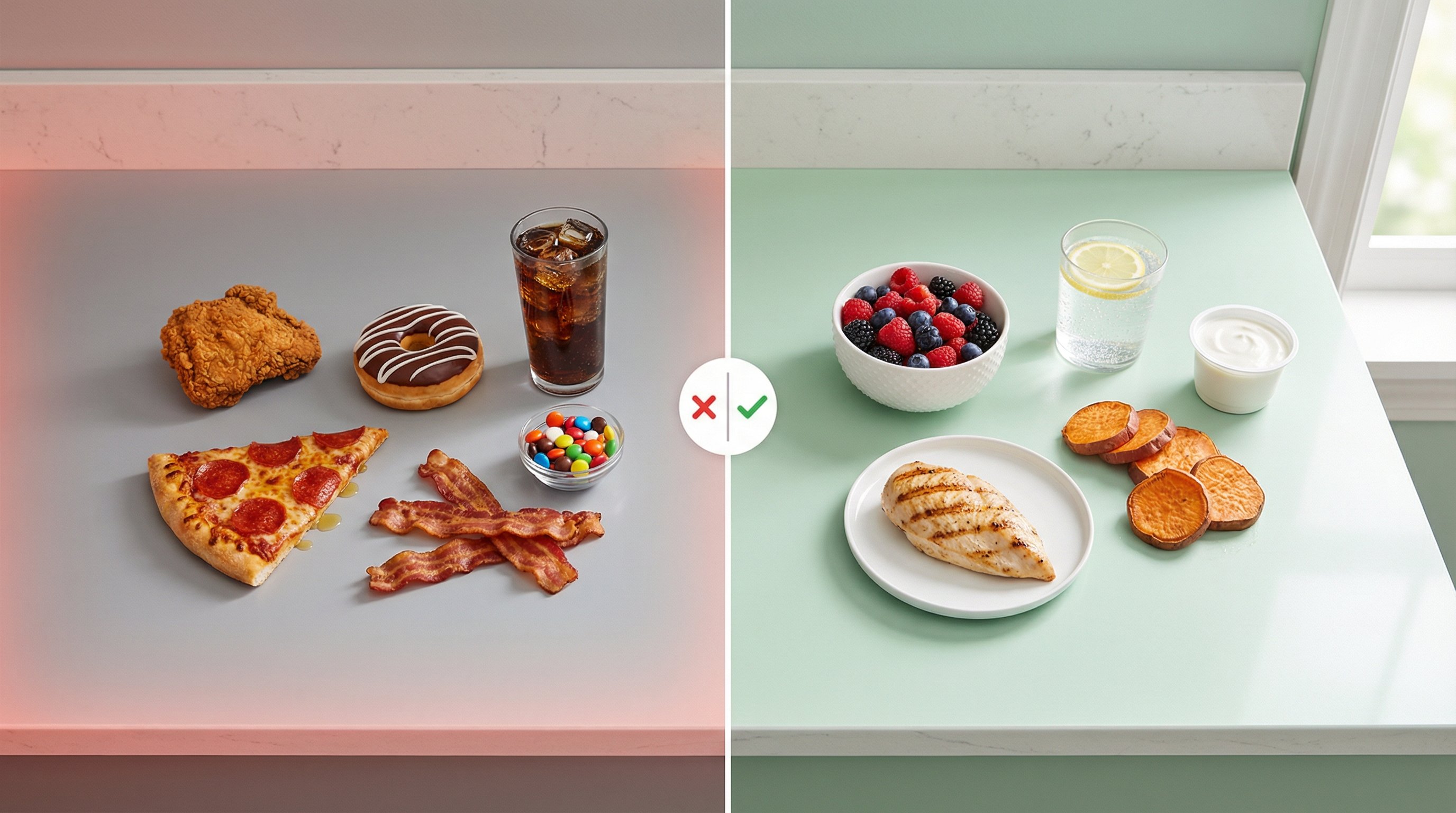
Certain foods don't just slow progress, they actively make semaglutide harder to tolerate. Knowing what to avoid is just as important as knowing what to eat.
High-Sugar and Ultra-Processed Foods
Refined sugars cause blood glucose spikes that work against semaglutide's mechanism. Candy, pastries, sugary cereals, and sweetened beverages undermine the drug's insulin-regulating effects. Diet sodas aren't ideal either: artificial sweeteners may still trigger insulin responses in some individuals.
Fried and Greasy Foods
This is the single biggest trigger for GI distress on semaglutide. Fried chicken, French fries, pizza loaded with cheese, these sit in a slowed stomach and cause significant nausea. Most patients learn this the hard way once. If there's one rule to follow, it's this: avoid greasy food while on a GLP-1.
High-Saturated-Fat Proteins
Fatty cuts of red meat, bacon, sausage, and full-fat dairy can worsen constipation and nausea. They're also calorie-dense, which matters when total intake is already low. Lean cuts are fine: marbled ribeyes are not the best choice during active weight loss.
Spicy and Acidic Foods
Spicy dishes and highly acidic foods (tomato-heavy sauces, citrus in large amounts) can aggravate the GI lining when gastric emptying is delayed. Some patients tolerate mild spice fine, but during the titration phase, especially at new dose levels, it's worth being cautious.
Alcohol
Alcohol deserves its own callout. It adds empty calories, lowers inhibitions around food choices, and can interact with blood sugar regulation. Semaglutide already reduces blood sugar: adding alcohol increases hypoglycemia risk. Many physicians recommend eliminating or sharply reducing alcohol on GLP-1 therapy.
Starchy Vegetables and High-Glycemic Fruits
Potatoes, corn, ripe bananas, pineapple, and mangoes cause faster glucose spikes than their lower-glycemic alternatives. They're not forbidden, but they shouldn't dominate the plate. Swap white potatoes for sweet potatoes. Choose berries over tropical fruits.
Preventing Muscle Loss and Nutrient Gaps on a GLP-1
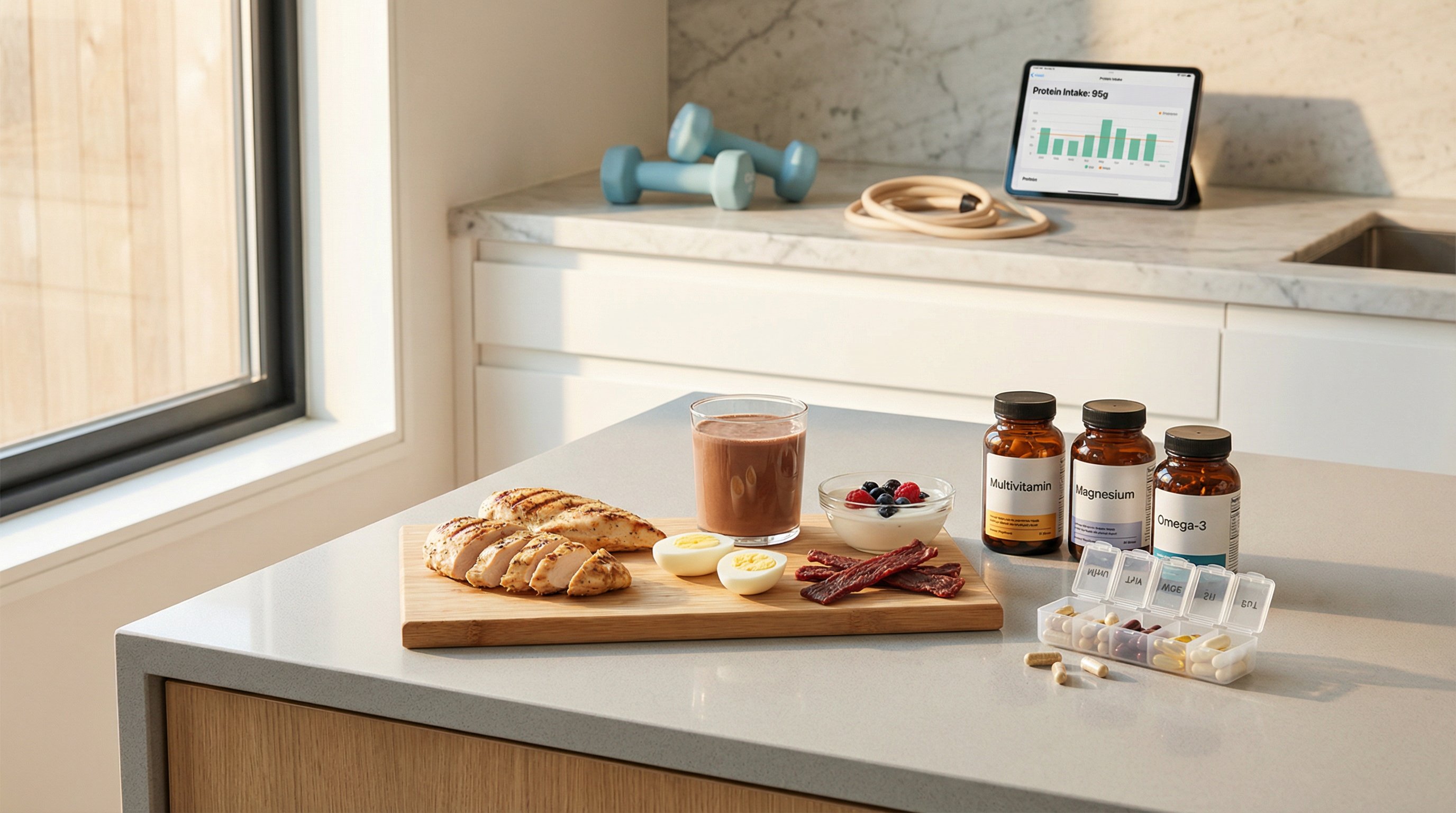
This is arguably the most under-discussed aspect of GLP-1 therapy. Weight loss is the goal, but the composition of that weight loss determines long-term success.
The Protein Priority
Most nutrition experts recommend 0.7–1.0 grams of protein per pound of body weight daily for patients on semaglutide. For a 200-pound person, that's 140–200 grams of protein per day. Hitting that number on a suppressed appetite requires intentional planning.
Practical strategies:
- Eat protein first at every meal before vegetables or carbs
- Use protein-rich snacks, jerky, hard-boiled eggs, protein shakes
- Track intake for at least the first few weeks to build awareness
- Consider a quality protein supplement on days when whole food intake falls short
Resistance Training Is Non-Negotiable
Diet alone won't preserve muscle. Strength training 2–4 times per week sends the signal that muscle tissue is needed and shouldn't be broken down for energy. This is especially true during the rapid weight loss phase in the first 6 months.
Interestingly, clinical trials are now exploring combinations like semaglutide paired with enobosarm (a selective androgen receptor modulator) specifically to address lean mass preservation during GLP-1 therapy.
Key Micronutrients to Monitor
Reduced food intake increases the risk of specific deficiencies:
- Iron, especially for menstruating women
- Vitamin D, already deficient in an estimated 42% of US adults
- B12, absorption may be affected by altered gut motility
- Calcium and magnesium, important for bone health during rapid weight loss
- Zinc, linked to hair loss when deficient, a common complaint on GLP-1s
A comprehensive multivitamin isn't a bad idea, but targeted supplementation based on bloodwork is better. Baseline labs, including a comprehensive metabolic panel, lipid panel, and thyroid function, should be standard before starting semaglutide. Providers matched through Peptide Injections typically include these labs as part of their initial protocol.
Sample Semaglutide Diet Plan: A Full Day of Meals
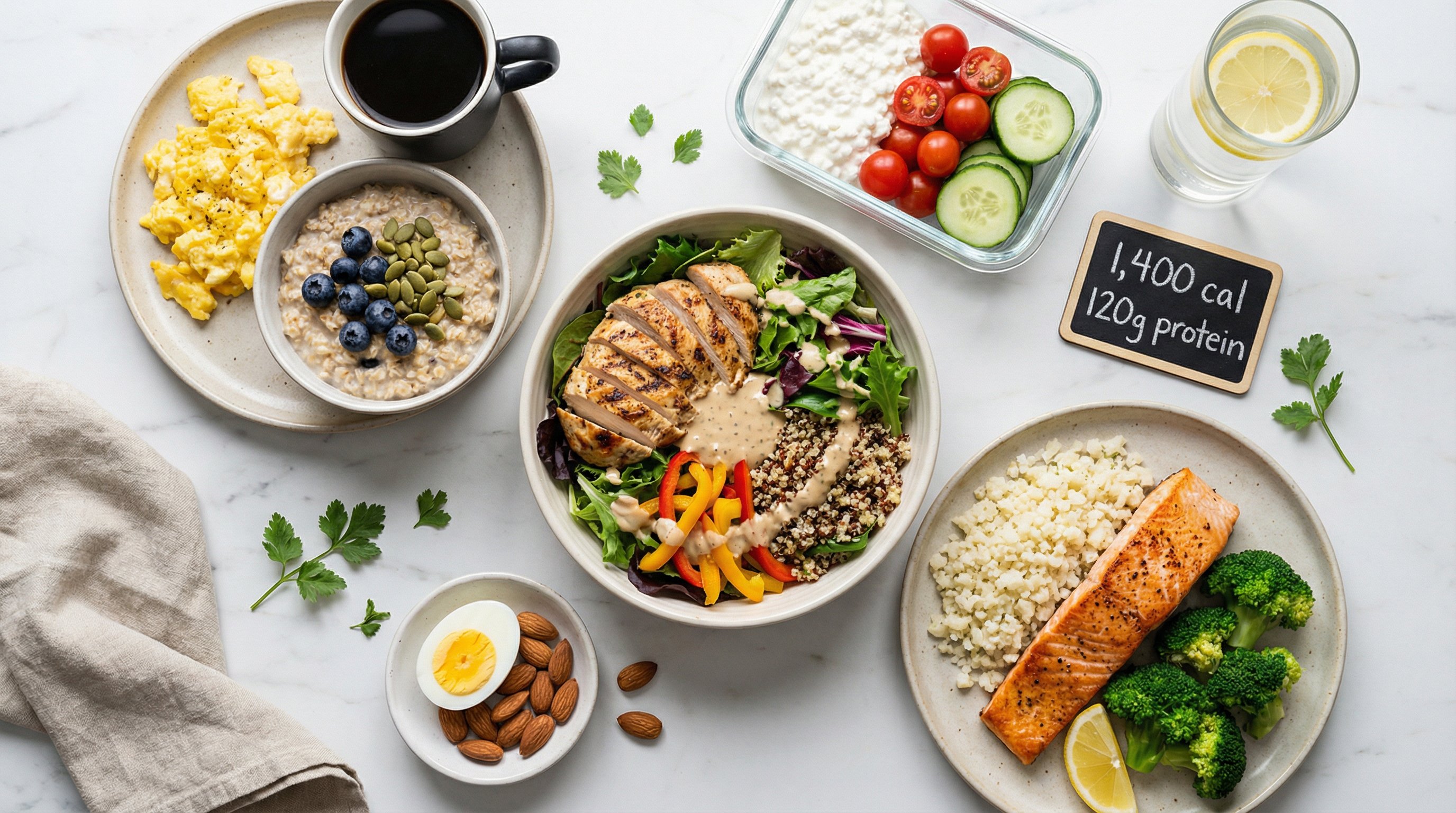
Here's what a well-structured day on a GLP-1 diet plan actually looks like. This sample targets roughly 1,400 calories with 120+ grams of protein.
Breakfast (~350 calories, 30g protein)
- 2 scrambled eggs cooked in 1 tsp olive oil
- ½ cup oatmeal topped with ¾ cup blueberries and 2 tsp pumpkin seeds
- Black coffee or green tea
Eating protein first thing prevents the common mistake of front-loading carbs and running low on protein later in the day.
Mid-Morning Snack (~150 calories, 14g protein)
- ¼ cup cottage cheese
- ½ cup cherry tomatoes
- ½ cup sliced cucumber
This is light enough to keep nausea at bay while still contributing meaningful protein.
Lunch (~400 calories, 35g protein)
- 4 oz grilled chicken breast over mixed greens
- ½ cup quinoa
- Diced cucumber, bell pepper, and cherry tomatoes
- 1 tbsp olive oil and lemon dressing
Alternatively, a high-protein smoothie works well here: blend strawberries, half a banana, a handful of kale, 1 tbsp flaxseed, and 25g plant-based protein powder with water or unsweetened almond milk.
Afternoon Snack (~100 calories, 10g protein)
- 1 hard-boiled egg
- 10 raw almonds
Dinner (~400 calories, 35g protein)
- 5 oz pan-seared wild salmon
- 1 cup riced cauliflower sautéed in 1 tsp avocado oil
- 1 cup steamed broccoli
- Squeeze of lemon
Salmon provides both the protein and omega-3 fatty acids that support cardiovascular health, relevant given semaglutide's proven cardiac benefits from the SELECT trial.
Key Notes on This Meal Plan
Hydration matters. Drink at least 64 oz of water throughout the day. Semaglutide can cause dehydration, and adequate water intake also helps with the constipation many users experience.
Meal timing is flexible. Some patients do best with 3 meals and no snacks because their appetite is so suppressed. Others prefer smaller, more frequent eating. The priority is hitting protein targets and total nutrient quality, not rigid timing.
Practical Tips for Long-Term Success on Semaglutide
Sticking with a GLP-1 diet plan for weeks is manageable. Sustaining it for months or years, which is what semaglutide requires, since weight regain is typical upon discontinuation, takes smarter strategies.
Start meal prepping early. When appetite drops, the motivation to cook often drops with it. Having pre-made protein portions in the fridge eliminates the temptation to skip meals or grab whatever's convenient. Sunday meal prep for the week ahead makes a real difference.
Track protein, not just calories. Calorie counting can become obsessive and counterproductive. But tracking protein for the first 4–6 weeks builds an intuitive sense of portion sizes and food choices that stick.
Include prebiotic-rich foods. Cooked and cooled grains, lentils, slightly green bananas, and asparagus feed beneficial gut bacteria. This matters because the gut microbiome influences natural GLP-1 production. Building a healthy microbiome while on medication may support better outcomes if and when the drug is discontinued.
Don't ignore the mental side. Semaglutide removes a significant amount of food noise, the constant mental chatter about eating. For many patients, this is life-changing. But it can also surface emotional patterns around food that were previously masked by overeating. Working with a registered dietitian or therapist alongside medical treatment produces better long-term results.
Titrate slowly and adjust food accordingly. The standard semaglutide protocol escalates every 4 weeks: 0.25 → 0.5 → 1.0 → 1.7 → 2.4 mg. Each dose increase can temporarily worsen GI side effects. During those transition weeks, lean toward bland, easily digestible foods, plain rice, baked chicken, bananas, broth-based soups. Once the body adjusts (usually 1–2 weeks), reintroduce more variety.
Get the right medical support. A GLP-1 diet plan works best when it's part of a comprehensive protocol that includes baseline bloodwork, ongoing monitoring, and provider access. Patients who work with specialized physicians, rather than going it alone, consistently see better outcomes. Peptide Injections matches patients with board-certified providers in under 2 minutes, making it straightforward to get personalized guidance from day one.
Conclusion
Semaglutide is a powerful tool, but it works best when paired with intentional food choices. A solid GLP-1 diet plan prioritizes lean protein at every meal, emphasizes fiber-rich vegetables and whole grains, and avoids the greasy, sugary foods that amplify side effects.
The patients who get the best results treat nutrition as the foundation, not an afterthought. They hit their protein targets, monitor micronutrients, stay hydrated, and adjust their eating patterns as their dose changes.
Weight loss medication doesn't replace good nutrition. It creates the conditions, reduced appetite, better blood sugar control, fewer cravings, where good nutrition can finally do its job. Make every calorie count, and the results will follow.
Frequently Asked Questions About GLP-1 Diet Plans and Semaglutide Nutrition
What should I eat on semaglutide to prevent muscle loss?
Prioritize 25-30 grams of protein per meal, aiming for 0.7-1.0 grams per pound of body weight daily. Choose lean sources like chicken, salmon, eggs, and Greek yogurt. Research shows up to 39% of weight lost on GLP-1s can come from muscle rather than fat, so protein intake combined with strength training 2-4 times weekly is critical for muscle preservation on a GLP-1 diet plan.
Can I eat fried foods while taking semaglutide?
No, fried and greasy foods are the single biggest trigger for GI distress on semaglutide. They sit in a slowed stomach and cause significant nausea. Since semaglutide slows gastric emptying, high-fat meals remain in your stomach longer, amplifying side effects. Opt for grilled, baked, or steamed preparations instead for better tolerance.
How much protein should I eat per meal on a GLP-1 diet plan?
Aim for 25-30 grams of protein per meal to protect lean muscle mass and sustain satiety between meals. A 200-pound person should target 140-200 grams of total daily protein. Eating protein first at each meal before vegetables or carbs helps ensure you hit these targets despite reduced appetite from semaglutide.
What are the best non-starchy vegetables to eat on semaglutide?
Focus on spinach, kale, broccoli, cauliflower, Brussels sprouts, bell peppers, zucchini, cucumber, mushrooms, and asparagus. These deliver fiber, vitamins, and volume with minimal calories. Cruciferous vegetables like broccoli also support liver detoxification, which is relevant since the liver processes semaglutide.
Which nutrients should I monitor while on semaglutide?
Monitor iron (especially for menstruating women), vitamin D, B12, calcium, magnesium, and zinc. Reduced food intake increases deficiency risk. Baseline labs including comprehensive metabolic panel, lipid panel, and thyroid function should be standard before starting semaglutide. A targeted multivitamin based on bloodwork is recommended over generic supplementation.
Why is hydration important on a GLP-1 diet plan?
Drink at least 64 ounces of water daily on semaglutide. The medication can cause dehydration, and adequate water intake helps manage constipation, a common side effect affecting about 24% of users. Proper hydration also supports overall metabolic function and medication efficacy during weight loss.