Finding the cheapest semaglutide without insurance can save patients anywhere from $600 to $1,200 per month, a difference that determines whether treatment is financially viable or completely out of reach. With brand-name formulations like Ozempic and Wegovy listing above $1,000 monthly, millions of Americans face a frustrating gap between medical need and affordability.
But here's what most people miss: the semaglutide market in 2026 looks radically different from even two years ago. Compounded versions, telehealth platforms, manufacturer programs, and discount strategies have opened up real pathways to affordable treatment. The trick is knowing where to look and what to avoid.
This guide breaks down exact pricing for every major option, compares compounded vs. brand-name formulations, and walks through proven methods to cut costs, all based on current 2026 market data. Whether someone is starting semaglutide for weight loss or Type 2 diabetes management, these numbers matter.
What Semaglutide Actually Costs Without Insurance Right Now
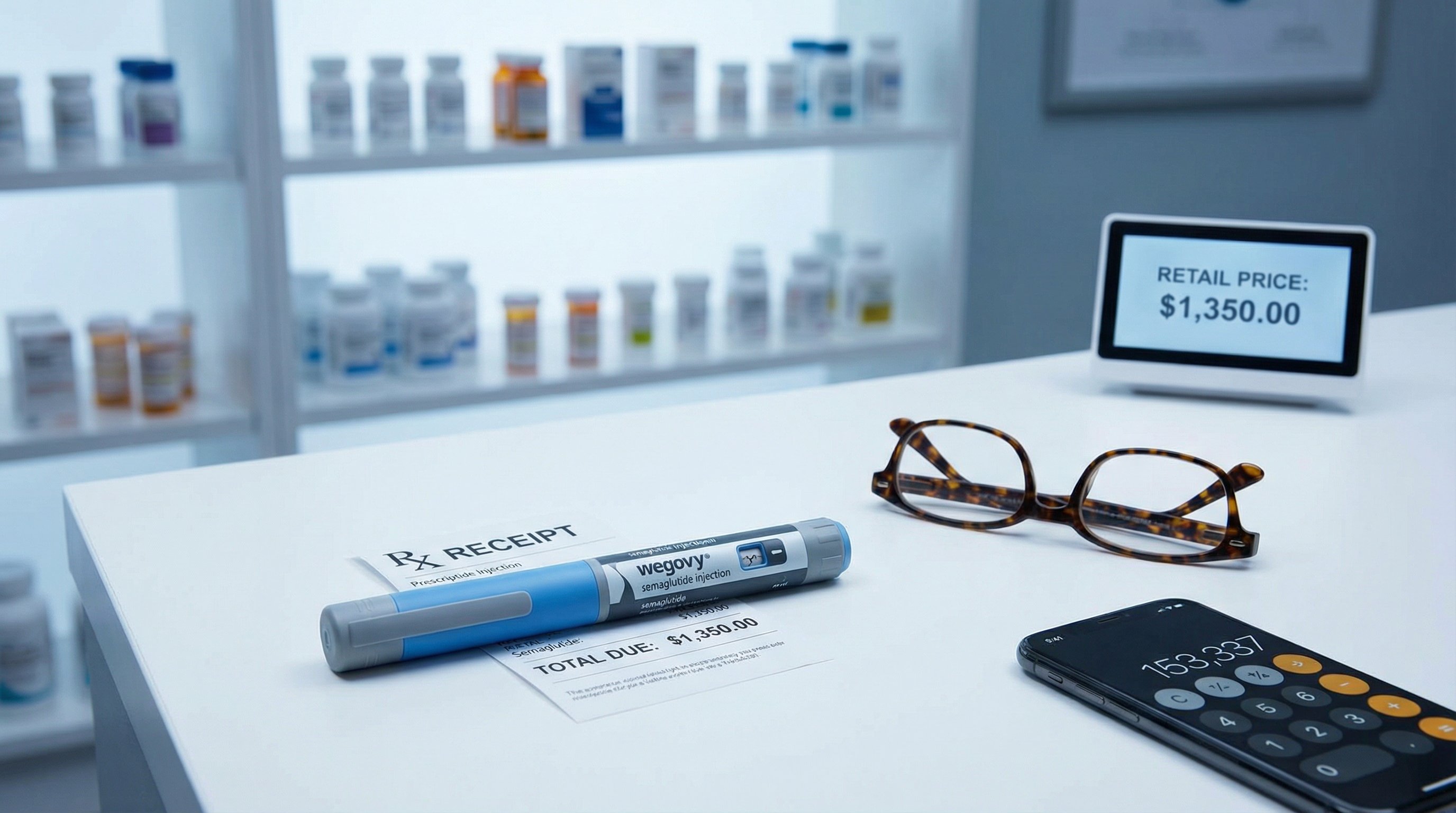
The sticker shock is real. Brand-name semaglutide runs between $900 and $1,400 per month at retail pharmacies without insurance coverage. Here's how the three FDA-approved formulations break down:
- Ozempic (injectable, for Type 2 diabetes): ~$1,027 per month
- Wegovy (injectable, for weight management): ~$1,349 per month
- Rybelsus (oral tablet): ~$998 per month
These are list prices. Actual out-of-pocket costs at the pharmacy counter can swing between $900 and $2,000 depending on geographic location and which pharmacy fills the prescription. A patient in rural Texas may pay differently than someone in Manhattan, same drug, different markup.
To put this in yearly terms, a Wegovy patient paying full price spends roughly $16,188 annually. That's more than many Americans spend on rent in a year. Ozempic comes in slightly lower at around $12,324 per year, but "slightly lower" is relative when the baseline is already four figures monthly.
Why Prices Vary So Much by Pharmacy
Retail pharmacies set their own markups above wholesale cost. Big-box pharmacies like Costco and Sam's Club often price 10–20% below CVS or Walgreens for the same medication. Independent pharmacies can sometimes beat chain prices too, especially if they're willing to price-match.
Another factor: dosage. Semaglutide follows a titration schedule, starting at 0.25 mg/week and escalating every four weeks up to 2.4 mg/week for weight management. Lower doses during the first few months cost less, but once patients reach maintenance dosing, the price hits its ceiling.
The oral formulation (Rybelsus) might seem like a cheaper alternative at first glance, but it requires daily dosing and has lower bioavailability than the injectable versions. For most weight-loss patients, the injectable route delivers better results per dollar spent.
One data point worth noting: according to the STEP 1 clinical trial, patients on semaglutide 2.4 mg achieved 14.9% mean body weight loss versus 2.4% with placebo over 68 weeks. That efficacy is what makes semaglutide one of the most popular peptides for weight loss, and the search for affordable alternatives so urgent.
Compounded vs. Brand-Name Semaglutide: Where the Real Savings Are
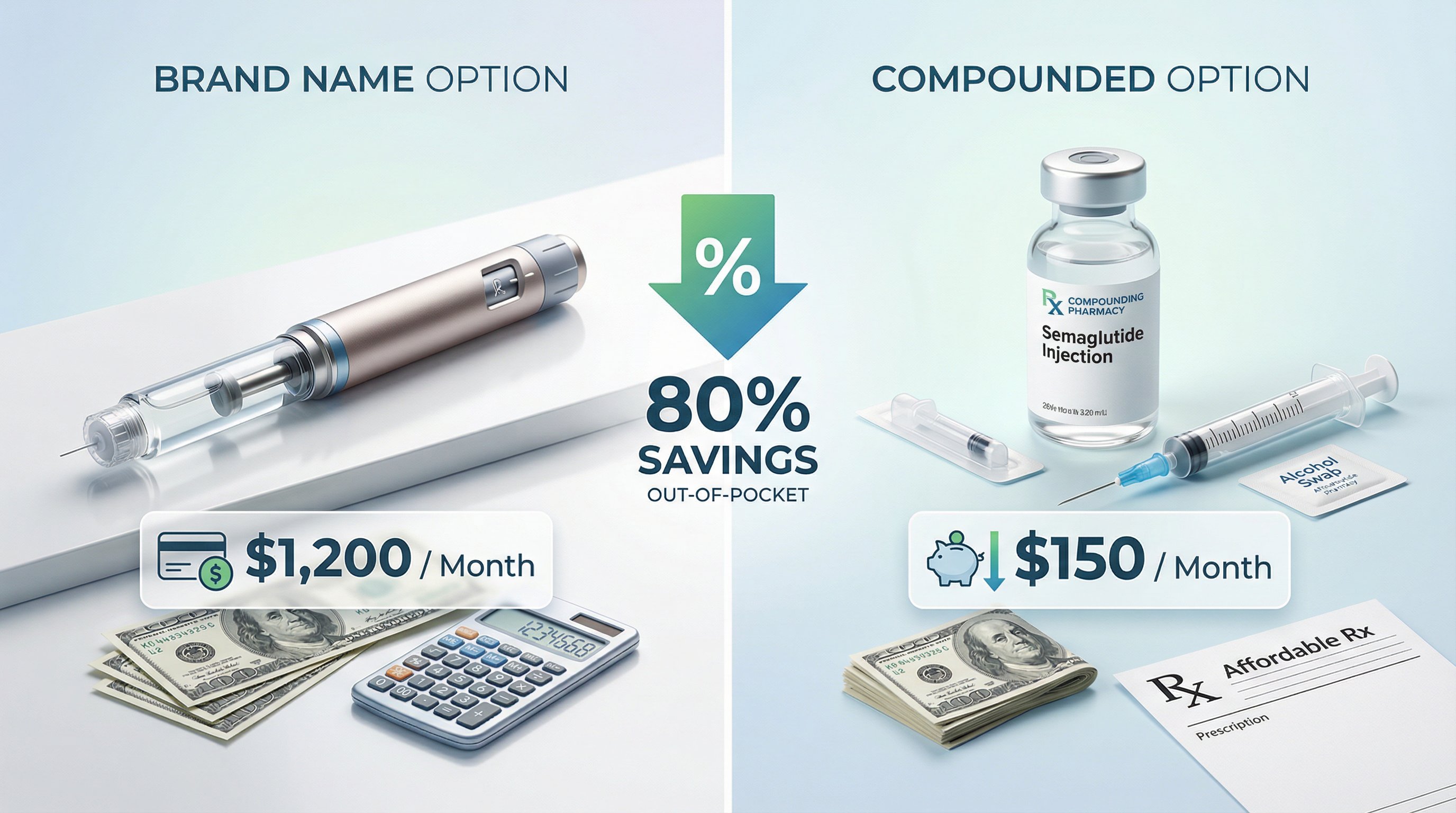
This is where the pricing gap gets dramatic. Compounded semaglutide typically costs between $99 and $299 per month, compared to $900–$1,400 for brand-name versions. For patients paying out of pocket, that's a potential savings of $800+ every single month.
Here's a direct cost comparison over different time horizons:
| Option | 1 Month | 3 Months | 12 Months |
|---|---|---|---|
| Wegovy (brand) | ~$1,349 | ~$4,047 | ~$16,188 |
| Ozempic (brand) | ~$1,027 | ~$3,081 | ~$12,324 |
| Compounded semaglutide | ~$149–$299 | ~$447–$899 | ~$1,788–$3,588 |
The savings are staggering, potentially $12,000+ per year by choosing compounded over brand-name Wegovy.
What "Compounded" Actually Means
Compounding pharmacies create customized medications by mixing active pharmaceutical ingredients according to a physician's prescription. These pharmacies operate under FDA oversight (Section 503A for individual prescriptions, Section 503B for outsourcing facilities), but the final compounded product itself is not FDA-approved.
This distinction matters. Brand-name Ozempic and Wegovy undergo rigorous clinical trials and manufacturing quality controls. Compounded semaglutide uses the same active ingredient but may differ in formulation, concentration, and quality assurance processes.
The Trade-Off Patients Should Understand
Compounded semaglutide is not a knockoff or counterfeit, it's a legally prepared medication. But patients should weigh several factors:
- Purity and potency may vary between compounding pharmacies
- No standardized clinical trial data exists for compounded formulations specifically
- Storage and handling requirements might differ from brand-name products
- Provider oversight becomes even more important when using compounded medications
For cost-sensitive patients, compounded semaglutide represents the single biggest opportunity to access GLP-1 therapy affordably. The key is choosing a reputable provider with proper medical supervision, which brings us to how to actually find one.
Where Generic Liraglutide Fits In
It's also worth mentioning generic liraglutide, the first-generation GLP-1 agonist now available at generic pricing. While it produces less dramatic weight loss (~8% in the SCALE trial versus ~15% for semaglutide), it's the cheapest FDA-approved GLP-1 option on the market. The LEADER trial also demonstrated a 13% reduction in major cardiac events and a 22% reduction in cardiovascular death, proven mortality data that semaglutide's SELECT trial later echoed with a 20% MACE reduction.
For patients where cost is the absolute primary concern, generic liraglutide deserves serious consideration alongside compounded semaglutide, though patients prioritizing efficacy over cost should explore the tirzepatide vs semaglutide comparison.
Proven Ways to Lower Your Out-of-Pocket Semaglutide Costs
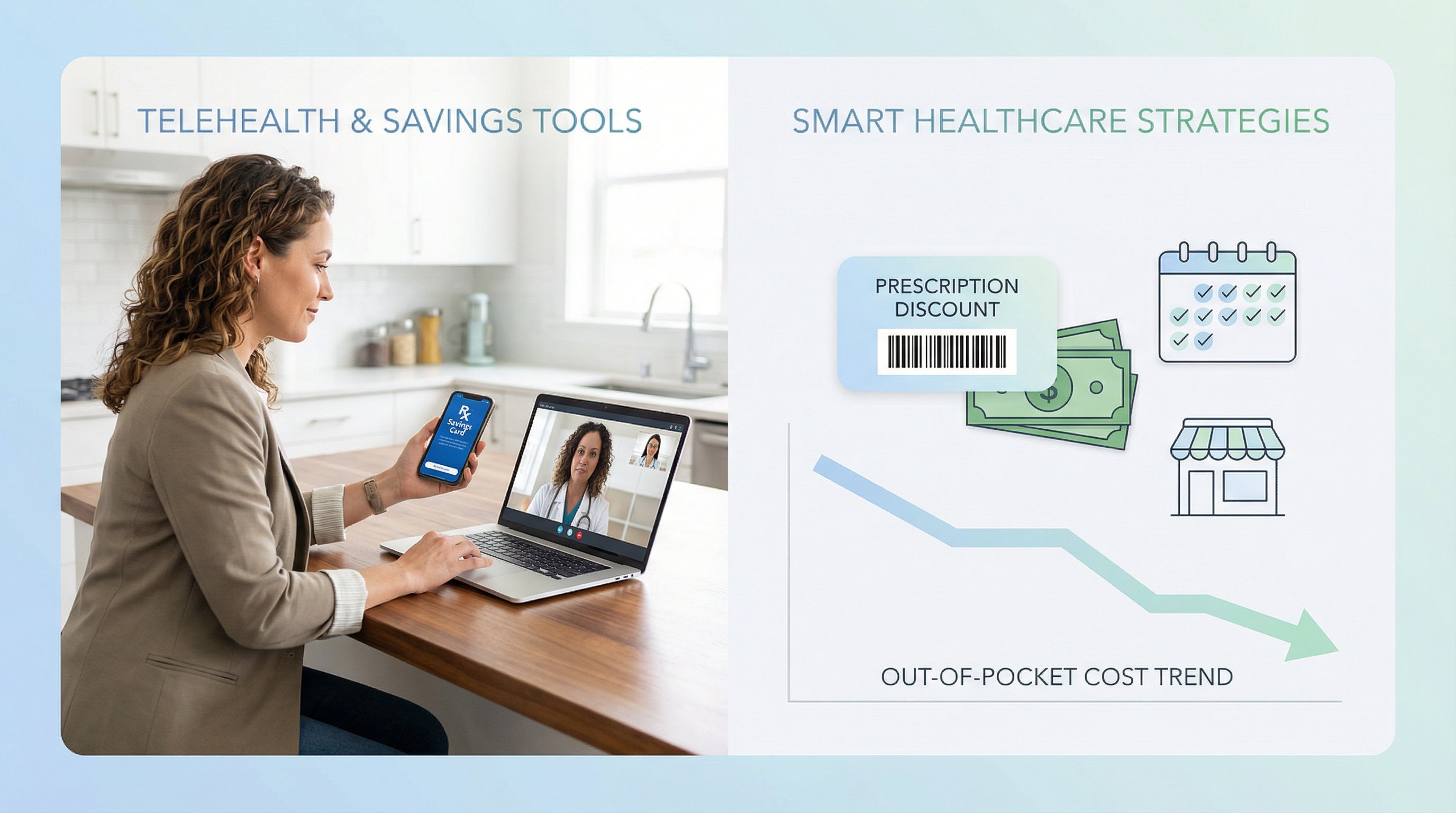
Beyond choosing between brand-name and compounded options, several strategies can meaningfully reduce what patients actually pay for semaglutide each month.
1. Manufacturer Savings Programs
Novo Nordisk offers savings cards for both Ozempic and Wegovy. Eligible patients without insurance can sometimes access significant discounts, though availability and terms change frequently. It's worth checking Novo Nordisk's patient assistance page directly, the savings can be substantial when programs are active.
2. Telehealth Platforms with Bundled Pricing
Many telehealth providers now bundle the cost of compounded semaglutide with medical consultations, ongoing monitoring, and shipping. These all-inclusive packages typically run $99–$299 per month, and the bundled model eliminates surprise fees.
Platforms like Peptide Injections use AI-powered matching systems to connect patients with board-certified physicians specializing in peptide therapy, often in under two minutes. This approach removes much of the research burden patients face when trying to find legitimate, affordable providers on their own.
3. Multi-Month Purchase Discounts
Buying a three- or four-month supply upfront almost always beats monthly subscriptions. Some providers offer four-month compounded semaglutide supplies for around $899, working out to roughly $225 per month versus $250–$299 on a monthly plan. That's a 10–25% savings just for committing to a longer supply.
4. Prescription Discount Cards
For patients filling brand-name prescriptions, discount cards from services like SingleCare or GoodRx can shave meaningful percentages off retail prices. These won't make Wegovy "cheap," but they can reduce a $1,349 monthly bill to something closer to $1,000–$1,100 at participating pharmacies.
5. Financing Options
Healthcare financing through CareCredit or Cherry allows patients to spread costs across monthly installments, sometimes as low as $150 per month with promotional interest rates. This doesn't reduce the total cost, but it makes cash flow manageable.
6. Compare Pharmacies Aggressively
Pricing for the same brand-name semaglutide prescription can vary by $200 or more between pharmacies in the same city. Always check at least three pharmacies before filling. Costco's pharmacy is open to non-members for prescriptions in most states and frequently offers the lowest retail prices.
The most effective approach combines multiple strategies. A patient using a telehealth platform for compounded semaglutide with a multi-month discount could pay as little as $200/month with full medical supervision included, roughly 85% less than Wegovy's list price.
How to Evaluate Affordable Semaglutide Providers Before You Commit

Cheap semaglutide from the wrong provider isn't a bargain, it's a risk. With dozens of telehealth companies and online pharmacies now offering compounded GLP-1 medications, knowing what separates legitimate providers from questionable ones is critical.
Red Flags to Watch For
- Prices below $75/month, Legitimate compounding with proper quality controls has a cost floor. Anything drastically below market rates warrants skepticism.
- No physician involvement, Semaglutide requires a prescription. Any provider selling it without a medical consultation is operating illegally.
- No mention of compounding pharmacy credentials, Ask whether their pharmacy is 503A or 503B registered. If they can't answer, walk away.
- Vague ingredient sourcing, Reputable providers can tell patients exactly where their semaglutide is sourced and how it's tested.
What Good Providers Include
A trustworthy affordable semaglutide provider should offer:
- Medical consultation with a licensed prescriber before starting treatment
- Baseline bloodwork guidance, including HbA1c, fasting glucose, lipid panel, thyroid panel (TSH, fT4), amylase, lipase, and a comprehensive metabolic panel
- Dosage titration support following the standard escalation schedule (0.25 mg → 0.5 mg → 1.0 mg → 1.7 mg → 2.4 mg)
- Ongoing medical supervision throughout treatment
- Transparent, all-inclusive pricing with no hidden fees for shipping or follow-up visits
Platforms like Peptide Injections streamline this evaluation process by pre-vetting providers and matching patients with board-certified physicians who specialize in peptide protocols. Rather than spending hours researching individual providers, patients receive personalized recommendations with transparent pricing upfront.
Questions to Ask Any Provider
Before committing to any semaglutide program, ask these directly:
- Which compounding pharmacy fills your prescriptions, and what are their credentials?
- What's included in the monthly cost, consultations, medication, shipping, follow-ups?
- What happens if I experience side effects, who do I contact and how quickly?
- Do you require or recommend baseline bloodwork?
- What's your cancellation policy?
A provider who answers all five clearly and confidently is worth considering. One who hedges or avoids specifics is not.
What to Expect During Treatment and Why Long-Term Cost Planning Matters

Semaglutide isn't a one-month fix. Clinical data from the STEP 5 trial shows weight loss is maintained at 104 weeks with continued treatment, but weight regain is typical upon discontinuation. This makes long-term cost planning essential, not optional.
The First Few Months: Lower Doses, Lower Costs
During the titration phase (typically weeks 1–16), patients use lower doses. This means the first few months are usually the cheapest. Brand-name Ozempic at the starting 0.25 mg dose costs less per pen than at the maintenance 2.0 mg dose. Compounded formulations may price by concentration, so the same benefit applies.
Common side effects during this period include:
- Nausea (dose-dependent, most common)
- Diarrhea and constipation
- Headache
- Injection site reactions
Most GI side effects improve as the body adjusts. About 44% of semaglutide patients experience nausea, but it's typically most intense during dose increases and fades within 2–3 weeks at each new level.
Maintenance Phase: Where Costs Add Up
Once patients reach their target dose (usually 2.4 mg/week for weight management), they're at the highest monthly cost. This is where the brand-name vs. compounded decision has its biggest financial impact.
A practical annual budget comparison:
- Brand-name at maintenance: $12,000–$16,000/year
- Compounded at maintenance: $1,800–$3,600/year
- Generic liraglutide (alternative): Even lower, though with less weight-loss efficacy
Planning for the Long Haul
Patients should plan for at least 12–24 months of treatment based on current clinical evidence. Key planning considerations:
- Build semaglutide costs into a monthly budget the same way one would a car payment or gym membership
- Set up a Health Savings Account (HSA) if eligible, semaglutide prescriptions typically qualify for HSA/FSA funds
- Reassess provider pricing every 6 months, the compounded semaglutide market is competitive and prices are trending downward
- Track results methodically, if weight loss stalls after 16 weeks at maximum dose, it may be time to discuss alternatives like tirzepatide with a physician
For patients with specific genetic profiles, particularly those with GLP1R low-response genotypes or MC4R risk alleles, semaglutide may produce weaker results. Genetic testing, available through resources like The Peptide List, can help identify whether semaglutide is the right GLP-1 agonist or whether a dual-mechanism option like tirzepatide would be more cost-effective in the long run.
The SELECT trial's finding of a 20% reduction in major cardiac events adds another dimension to cost planning. For patients with cardiovascular risk factors, semaglutide's benefits extend beyond weight loss, potentially reducing future medical expenses related to heart disease.
Conclusion
The cheapest semaglutide without insurance in 2026 is compounded semaglutide through a vetted telehealth provider, typically costing $99–$299 per month versus $900–$1,400 for brand-name formulations. That's a potential savings of over $12,000 annually.
But the lowest price isn't always the best value. The right choice depends on individual health needs, risk tolerance about compounded vs. FDA-approved medications, and how long treatment will last. Combining strategies, multi-month purchases, discount cards, and platforms like Peptide Injections that match patients with specialized providers, can push costs even lower while maintaining proper medical oversight.
The bottom line: affordable semaglutide exists. It just takes some assignments to find the right provider at the right price.
Frequently Asked Questions About Cheapest Semaglutide Without Insurance
How much does semaglutide cost without insurance in 2026?
Brand-name semaglutide costs $900–$1,400 monthly without insurance. Ozempic runs ~$1,027/month, Wegovy ~$1,349/month, and Rybelsus ~$998/month. Compounded alternatives cost $99–$299/month, offering potential savings of $800+ monthly.
What's the difference between compounded and brand-name semaglutide?
Compounded semaglutide uses the same active ingredient but is prepared by pharmacies and isn't FDA-approved. Brand-name versions undergo clinical trials and strict quality controls. Compounded costs 70–80% less but requires careful provider vetting for safety and consistency.
Can I get cheaper semaglutide through manufacturer savings programs?
Yes. Novo Nordisk offers savings cards for Ozempic and Wegovy that can significantly reduce out-of-pocket costs for uninsured patients. Check Novo Nordisk's patient assistance page directly, as availability and terms change frequently and discounts can be substantial.
Is generic liraglutide a viable alternative to semaglutide for cost savings?
Yes. Generic liraglutide costs less and is now available, making it the cheapest FDA-approved GLP-1 option. It produces ~8% weight loss versus ~15% for semaglutide, but offers proven cardiovascular benefits with a 22% reduction in cardiovascular death from the LEADER trial.
What should I look for in an affordable semaglutide provider to avoid scams?
Verify medical consultations with licensed prescribers, legitimate compounding pharmacy credentials (503A/503B registration), baseline bloodwork requirements, transparent all-inclusive pricing, and clear side-effect support protocols. Avoid providers offering prices below $75/month or lacking physician involvement.
How much can I save annually by choosing compounded semaglutide over Wegovy?
Annual savings can exceed $12,000. Wegovy costs ~$16,188/year at list price, while compounded semaglutide ranges $1,788–$3,588 annually. Multi-month purchases and telehealth bundling can push compounded costs even lower to ~$200/month with full medical supervision included.